Gold Granulation by Nao goldwork
| How to Fuse Fine Silver Granulation |
Have you ever seen "pure silver"?
In fact, many people have never actually seen it.
(Point 1) The color of the "Silver 925" differs from that of "Silver 999."
"Silver 925" has a slightly bluish tint and a heavy, substantial
luster.
"Silver 925" contains 7.5% of other metals, such as copper.
So, why is "Silver 925" so widely used in everyday life?
It is used because with copper the metal became more durable.
However, Silver 925 is prone to turning brown due to oxidation
caused by the copper content, in addition to the usual sulfidation.
(Point 2) The most distinctive feature of Silver 999 is its silvery-white luster.
Silver 999 or pure silver has a silver content of 99.9% or higher.
Silver 999 boasts one of the highest light reflectivity among all metals.
It is less prone to darkening from oxidation and is gentle on the skin.
Furthermore, Silver 999 or pure silver is highly malleable and ductile;
its softness makes it easy to work with for metal crafting.
(Point 3). Why is it possible to achieve the bonding of silver granules
using the "gold granulation technique" ?
A paste containing copper oxide powder and carbon is placed
between the silver granule and the silver base.
When heated in a reducing flame, the copper oxide powder is
reduced and liquefies back into copper at approximately
778–780°C. At this point, a silver-copper eutectic alloy
(liquid phase) forms between the silver granule and the base.
This fuses the silver granule to the silver base.
Since the melting point of Silver 999 is 961.78°C,
the granule and the base do not melt at all in a flame.
Because there is a temperature difference of over 150°C,
it is possible to bond the granule or the base without melting.
Now, let's try the fusing process.
It is simple and easy.
For bonding via an 889°C eutectic reaction (liquid phase)
using a paste composed of a copper compound and carbon,
malachite and copper(II) hydroxide [Cu(OH)₂]
can be used in addition to copper(II) oxide (CuO),
as they also convert to copper oxide upon heating.
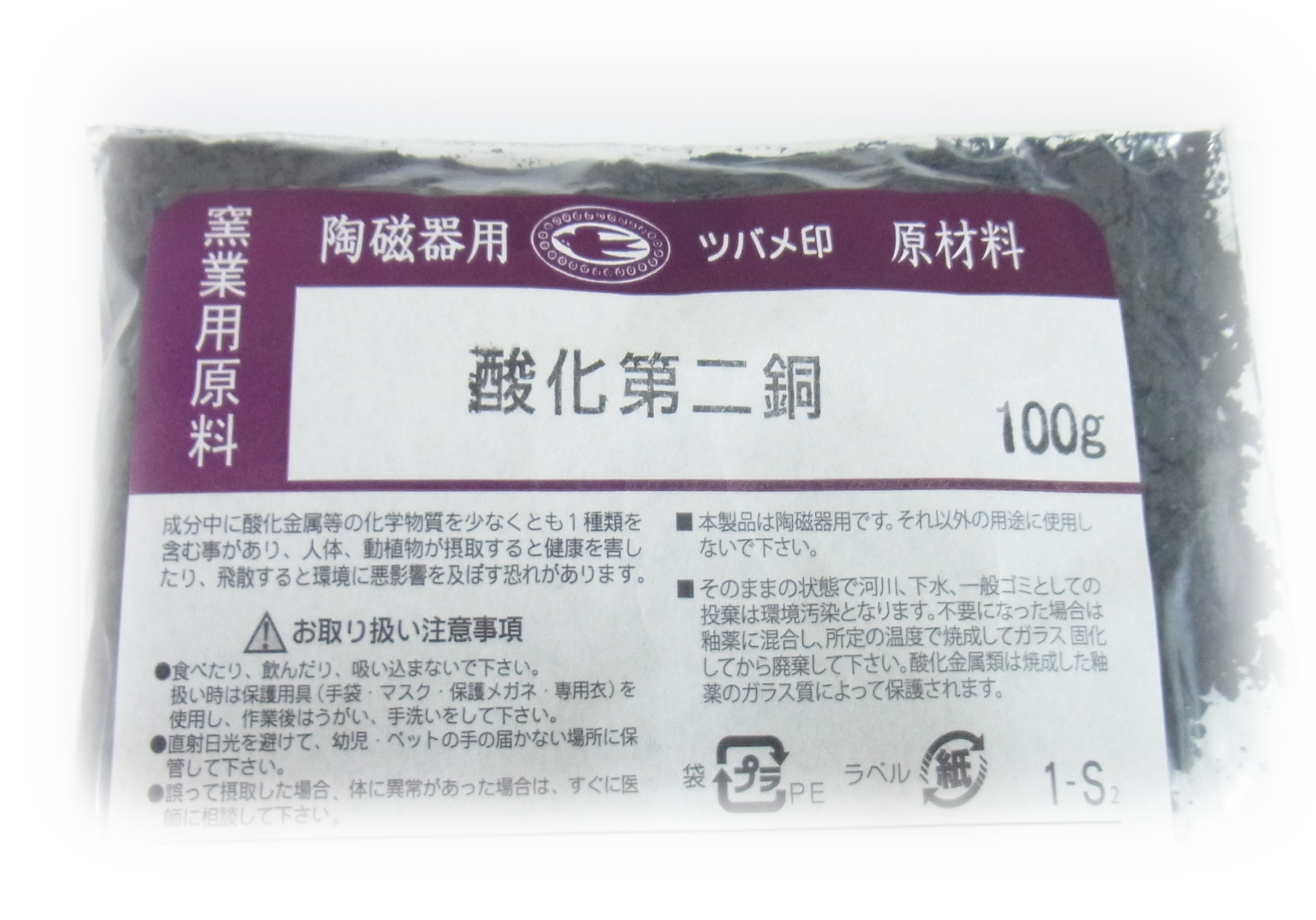
1 Copper dioxide powder for ceramic coloring
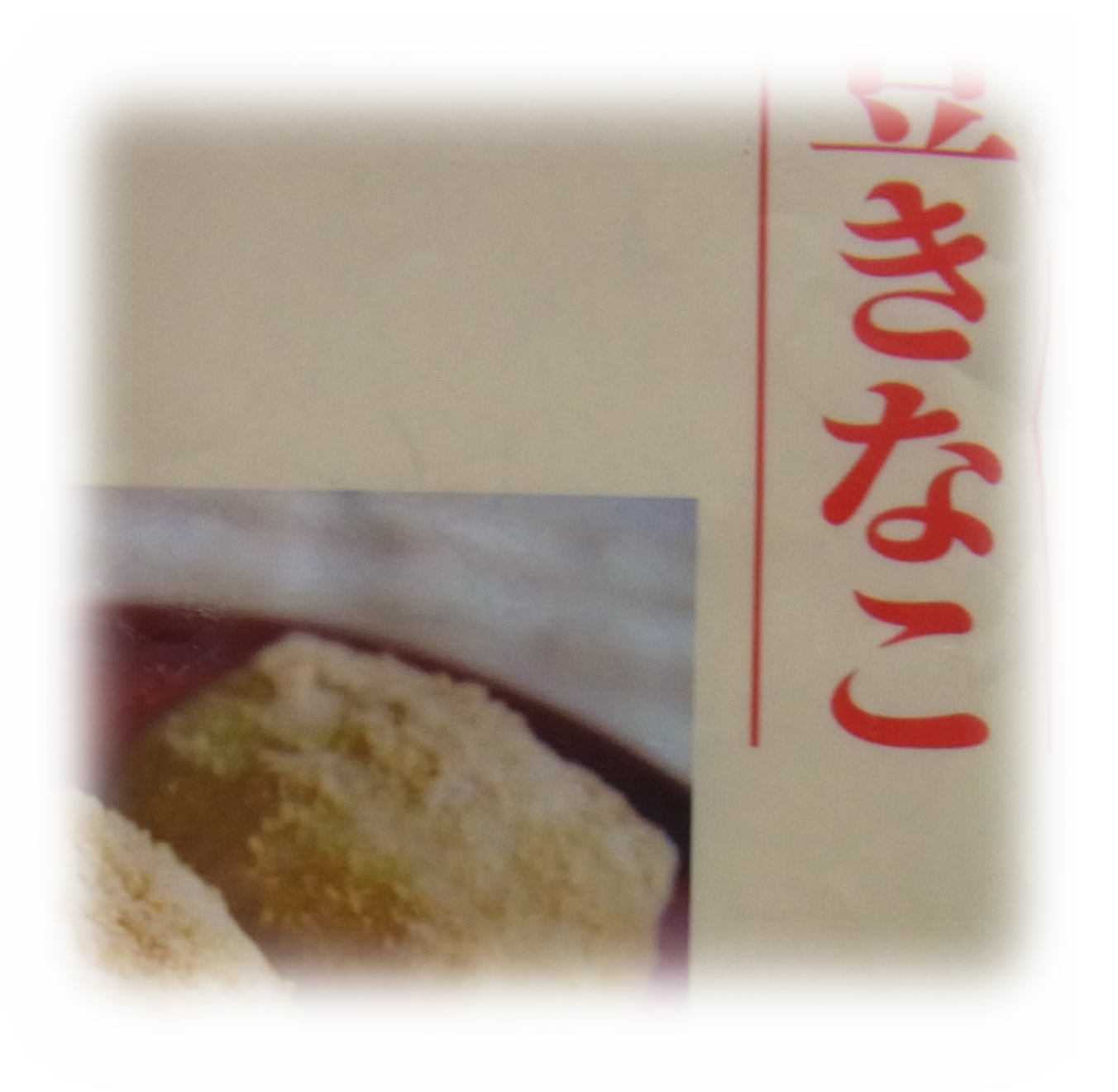
2 Roasted soybean flour (kinako)
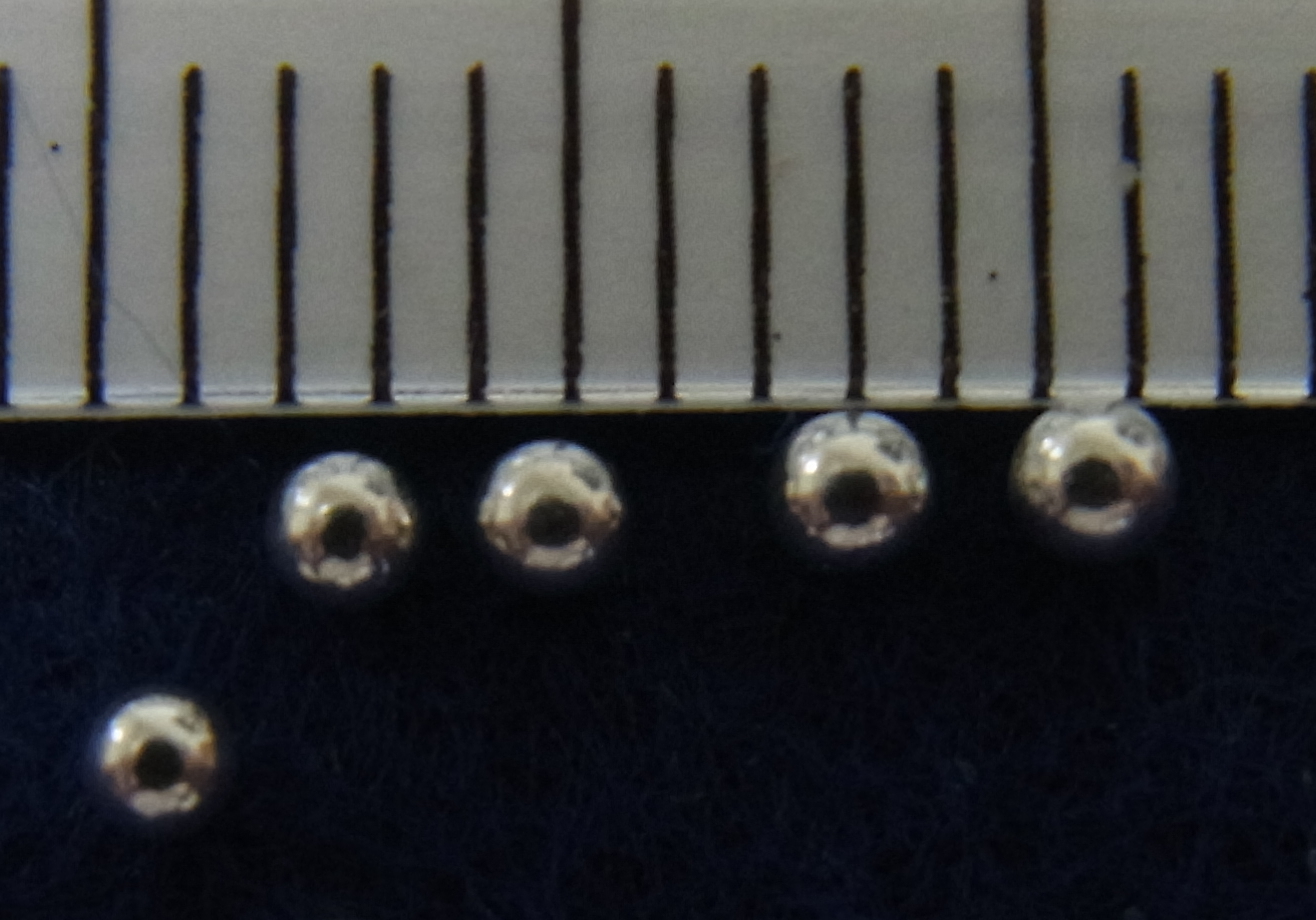
3 Silver granules (Silver999)
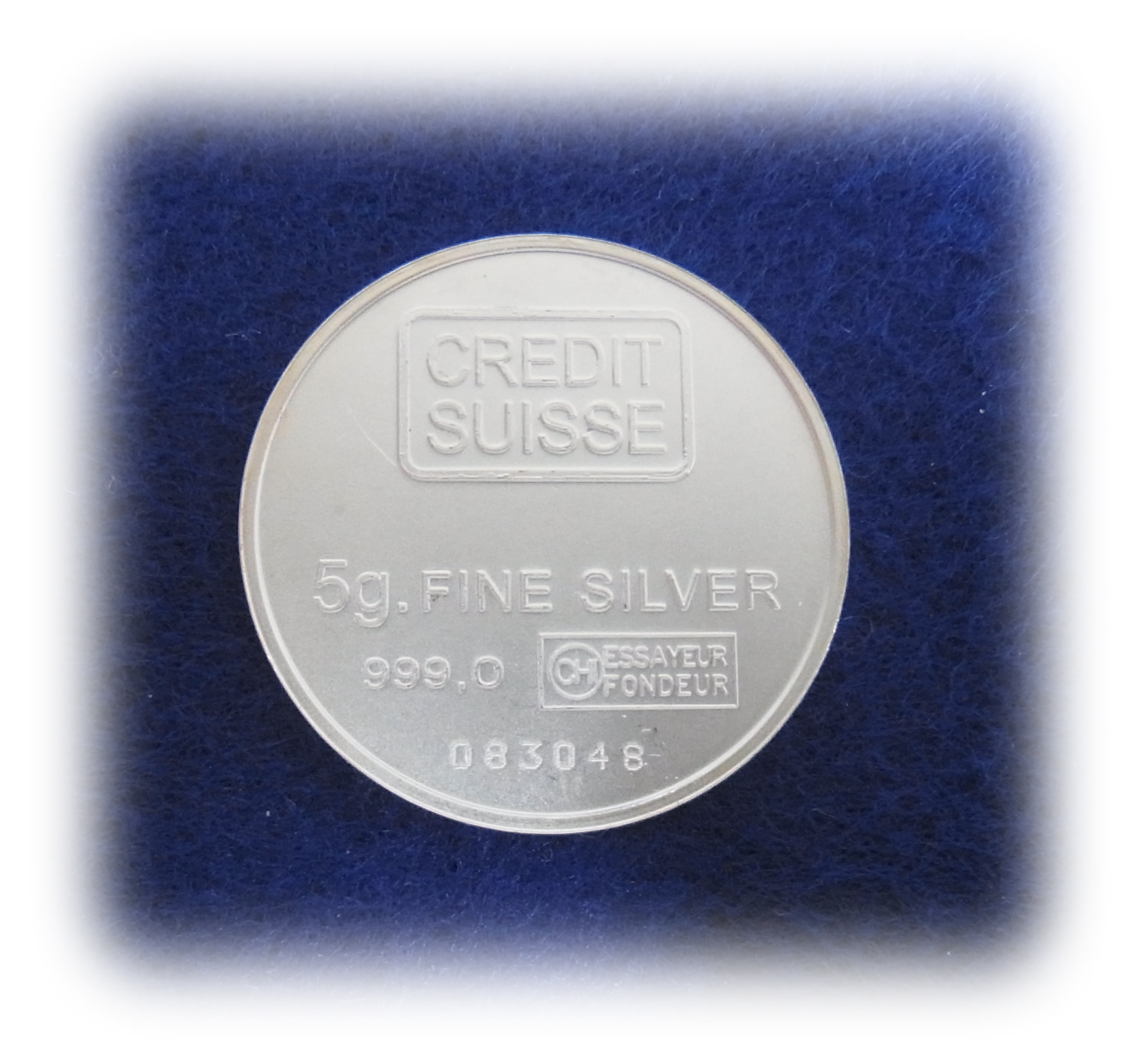
4 Base piece (Silver999)
1 Place a small amount of paste (approx. 0.5 mm in diameter)
on the base where the granule is to be positioned.
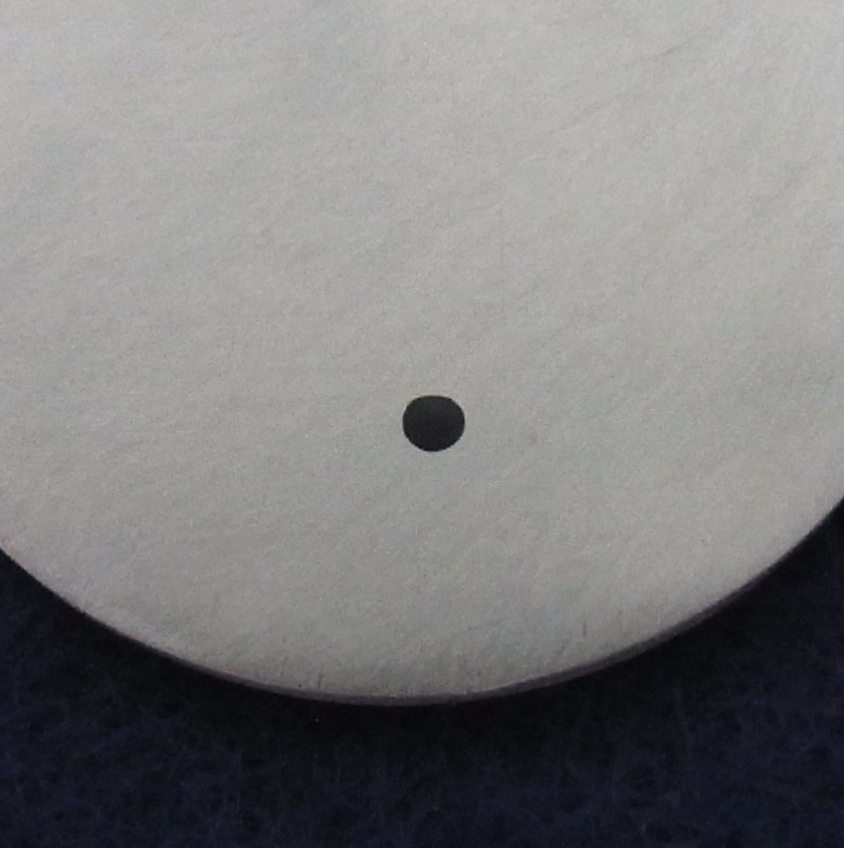
2 Place the silver granule onto the paste, ensuring
the bottom of the granule makes contact with the base.
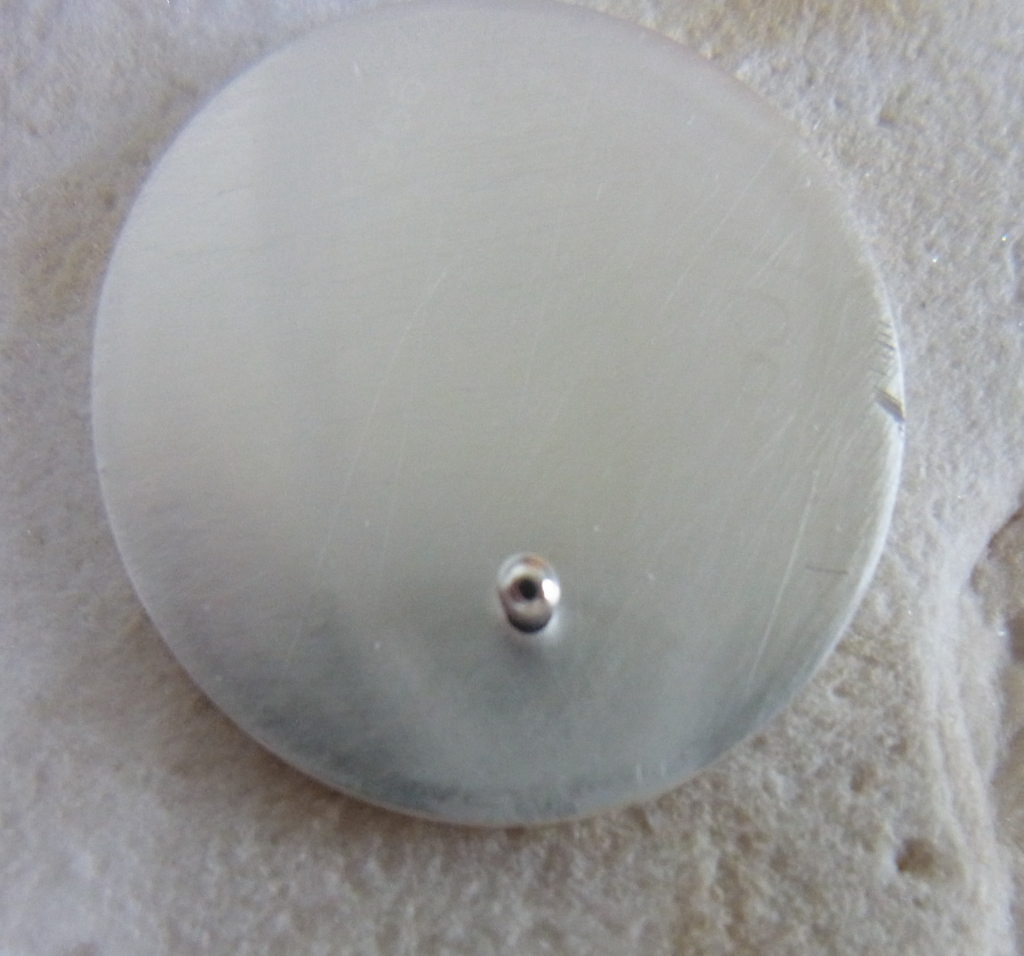
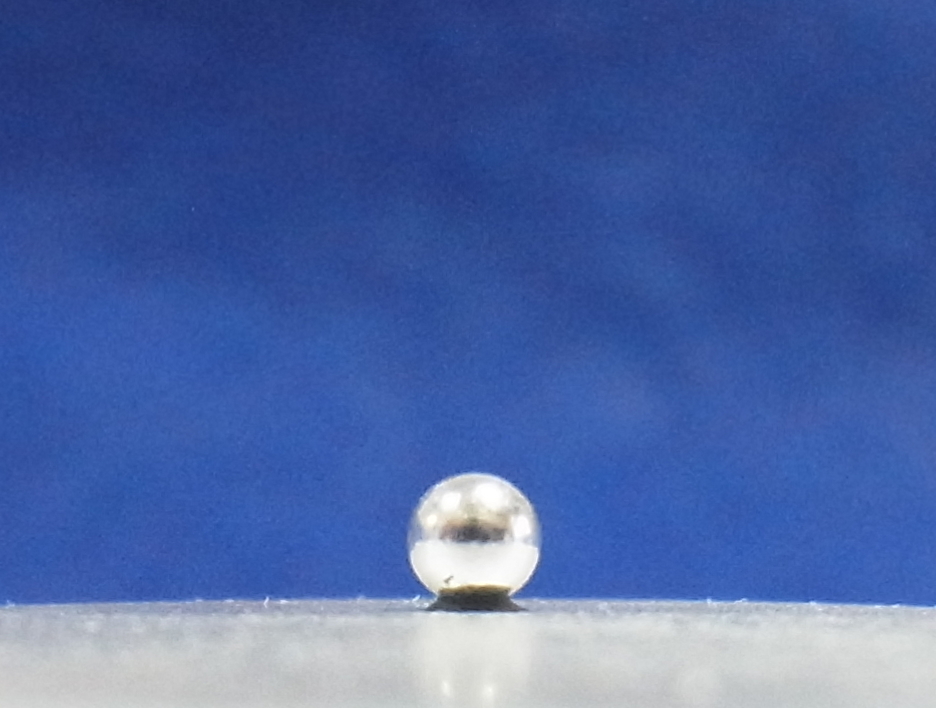
3 Preheat to slightly raise the temperature of the base,
then place the entire piece within the reducing flame.
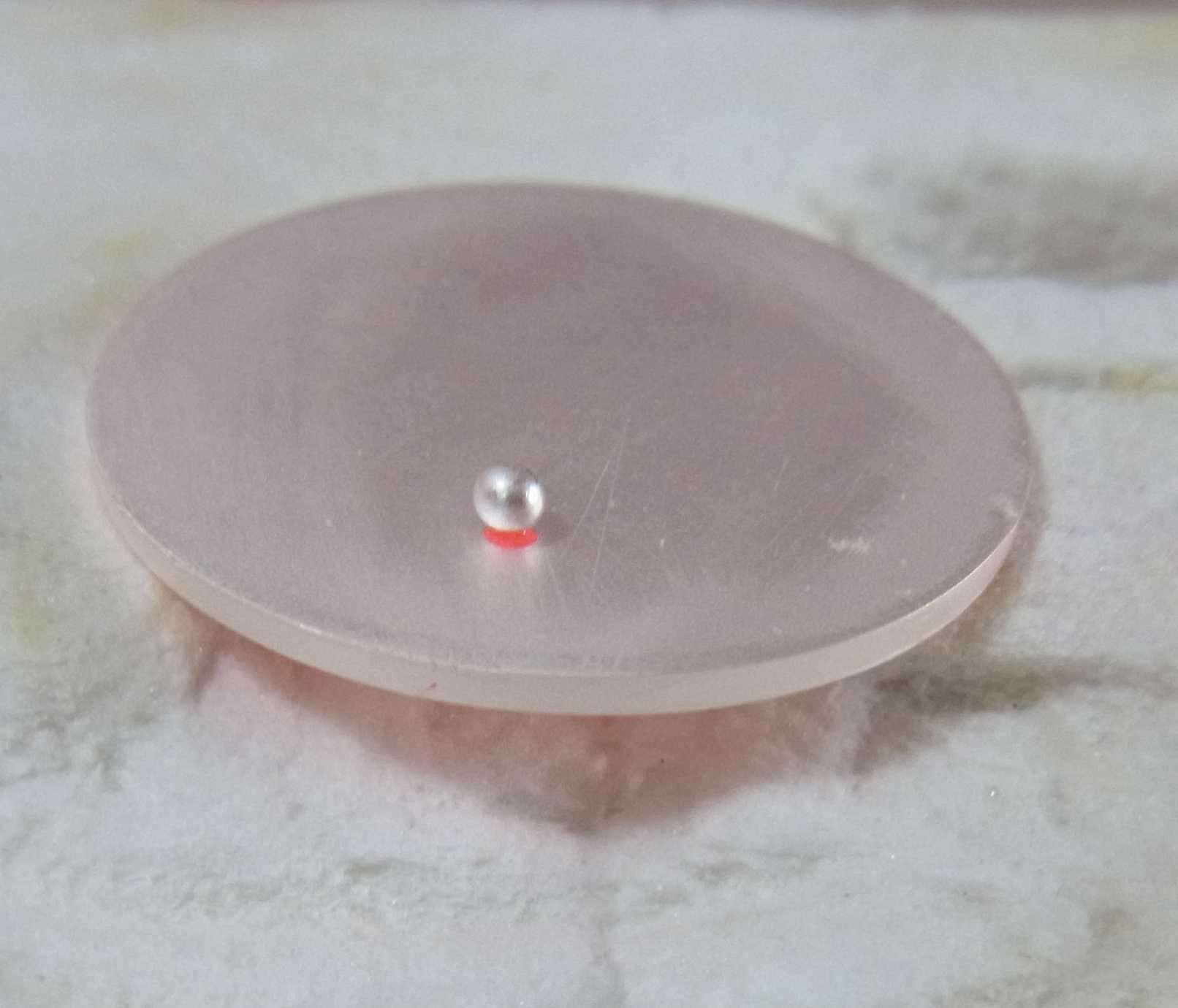
4 Visually confirm that the paste between the granule.
and the base turns red in the heat.
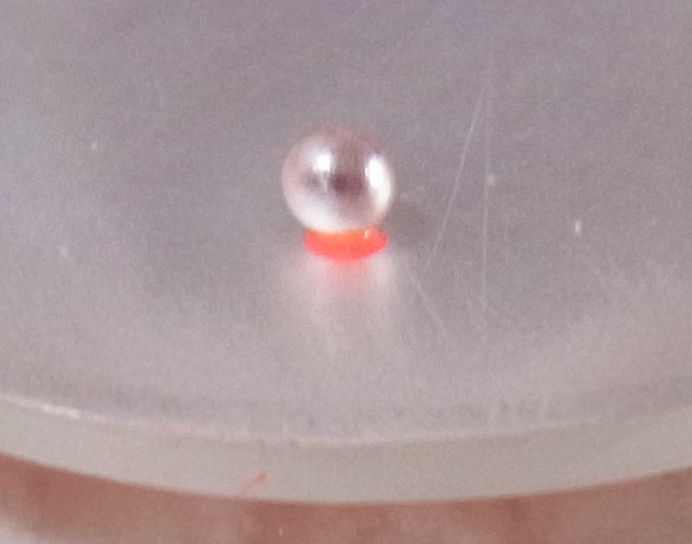
5 Immediately remove the flame and allow it to cool.
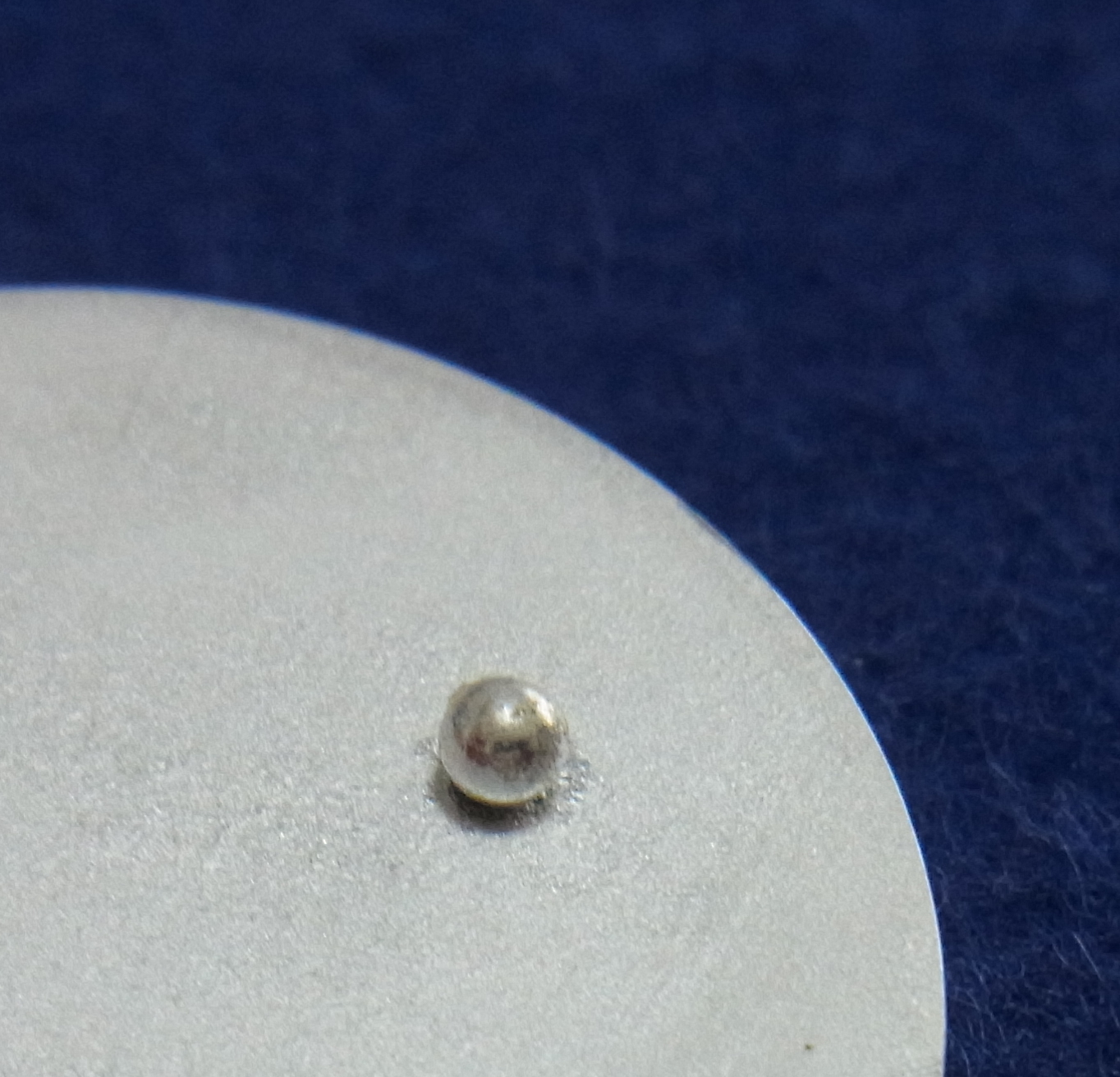
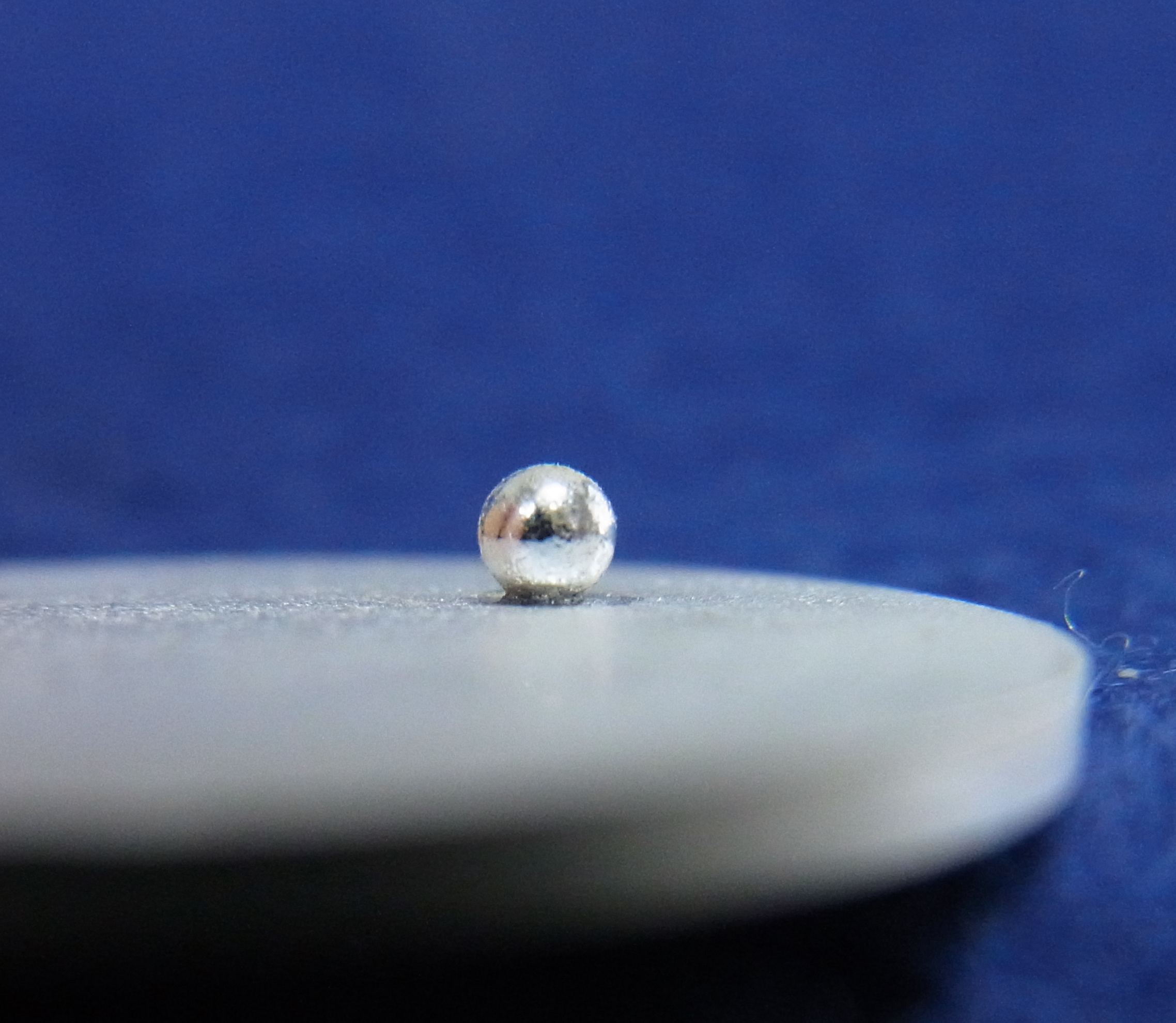
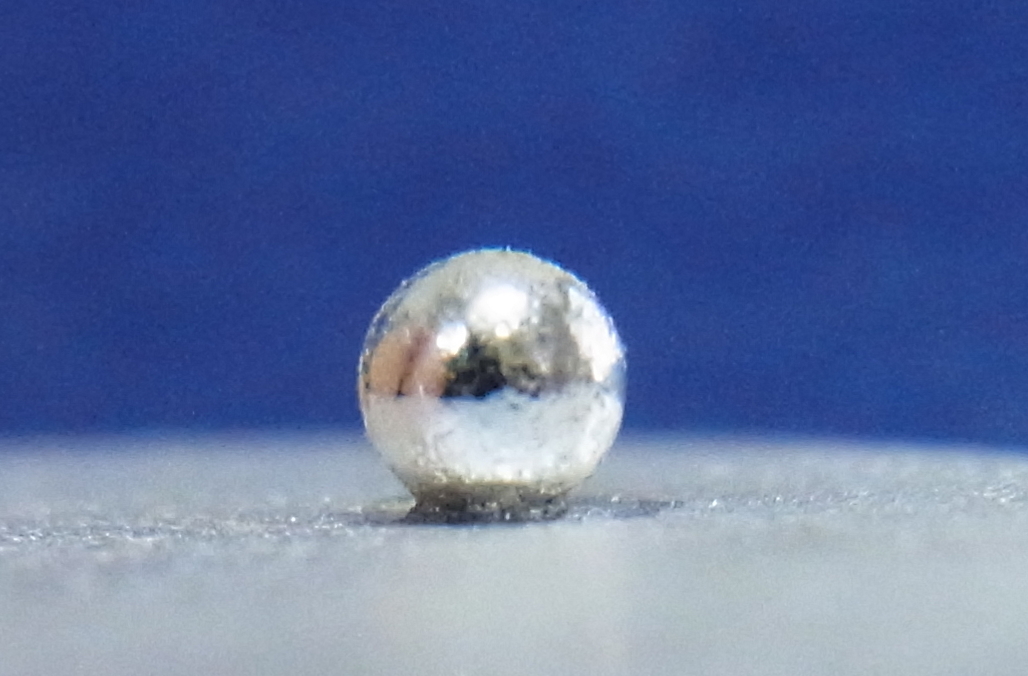
It is finished. It’s done!
Copyright 2025 by Nao goldwork
All rights reserved.